
Key Insights
- Choosing the Right Tree: Ensure you select trees marked as ‘Dwarf’ or ‘Patio’ varieties since standard trees will quickly outgrow their containers.
- Drainage is Crucial: Opt for terracotta or air-pots to avoid root rot, a common issue for container-grown fruit trees.
- Self-Pollinating Varieties: For small spaces like balconies, choose self-fertile types that don’t require a companion tree for fruit production.
- Sunlight Needs: Most fruit trees thrive with at least 6 to 8 hours of direct sunlight to develop flavorful fruit.
Introduction: Cultivate Your Own Balcony Fruit Haven
Envision stepping onto your balcony to pluck a fresh lemon for your afternoon tea or a few blueberries to top your morning yogurt. You don’t need sprawling fields to enjoy fresh fruit; with modern dwarf rootstocks, you can maintain a thriving orchard in pots. These small-sized trees are designed to stay manageable while still offering abundant, tasty produce.
1. Selecting the Right Dwarf Trees for Your Balcony
| Fruit Tree | Optimal Dwarf Variety | Minimum Pot Size | Sunlight Requirement | Estimated Harvest Time |
|---|---|---|---|---|
| Meyer Lemon | Improved Meyer | 10–15 Gallon | 8+ Hours | Throughout the Year (Peak in Winter) |
| Blueberries | Sunshine Blue / Top Hat | 5 Gallon | 6+ Hours | Mid to Late Summer |
| Figs | Little Miss Figgy | 10 Gallon | 8+ Hours | Late Summer / Fall |
| Calamondin | Standard Dwarf | 5–7 Gallon | 6+ Hours | All Year |
| Dwarf Peach | Bonanza | 10 Gallon | 8+ Hours | Mid-Summer |
- Tip: If space is tight, try a Calamondin. It’s a hardy citrus ideal for beginners and its vibrant orange fruit adds aesthetic appeal.
2. In-Depth Look at Top Choices
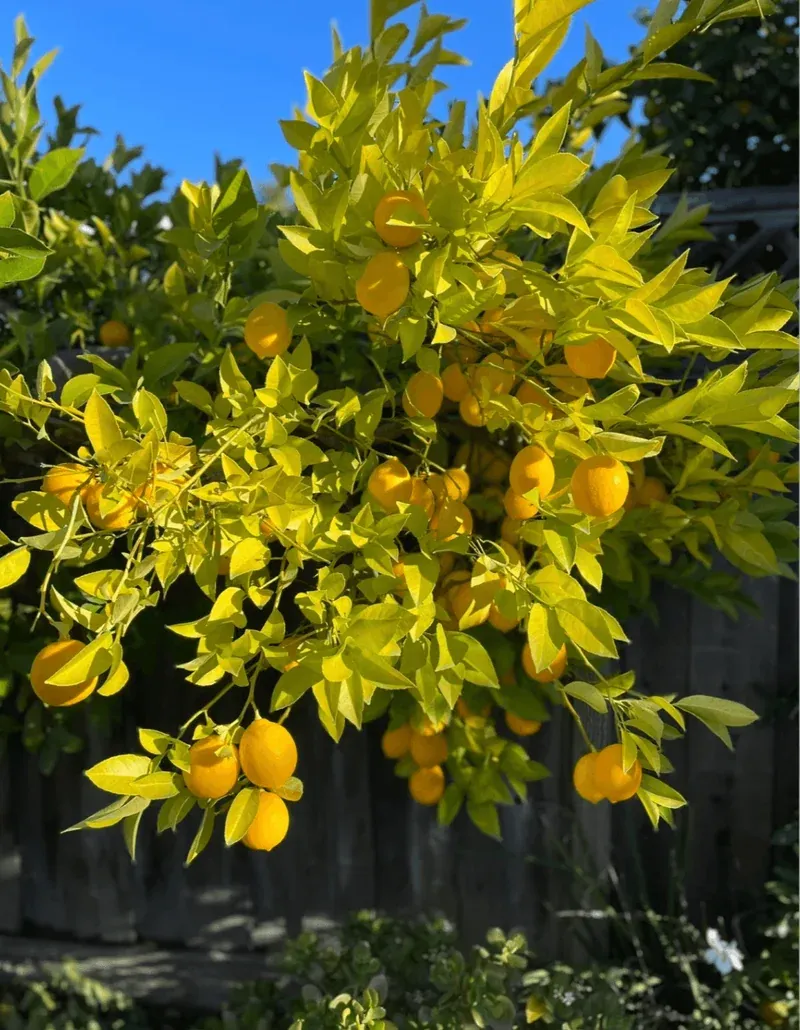
🍋 Meyer Lemon (A Culinary Delight)
Meyer lemons, a hybrid of standard lemons and mandarins, are known for their sweeter taste and thin skin.
- Feeding Tip: These trees are nutrient-demanding. Apply a high-nitrogen citrus fertilizer monthly during growth periods.
- Cold Weather Care: When temperatures fall below 10°C (50°F), relocate the plant indoors near a bright window.
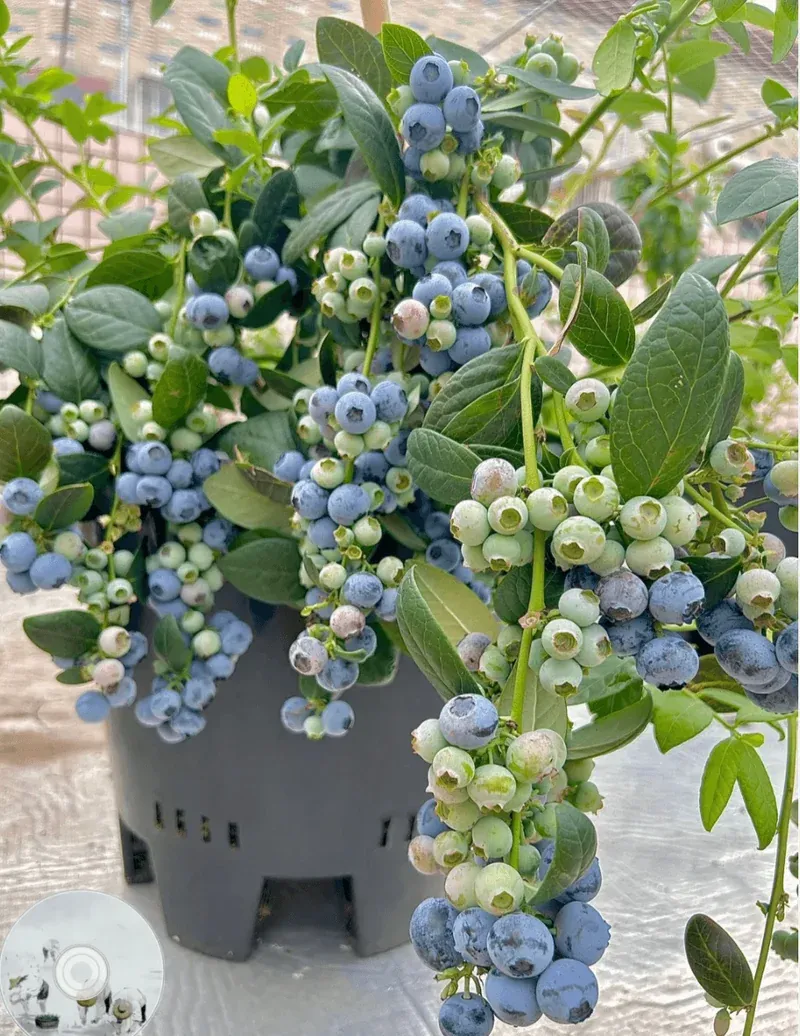
🫐 Blueberries (The Colorful Berry Bush)
Blueberries offer the dual advantage of delicious fruit and vibrant fall foliage.
- Soil Requirements: They thrive in acidic conditions (pH 4.5–5.5). Use a specialized mix like ‘Camellia/Azalea’ or amend with peat moss.
- Watering Advice: Rainwater is preferable to tap water to maintain soil acidity.
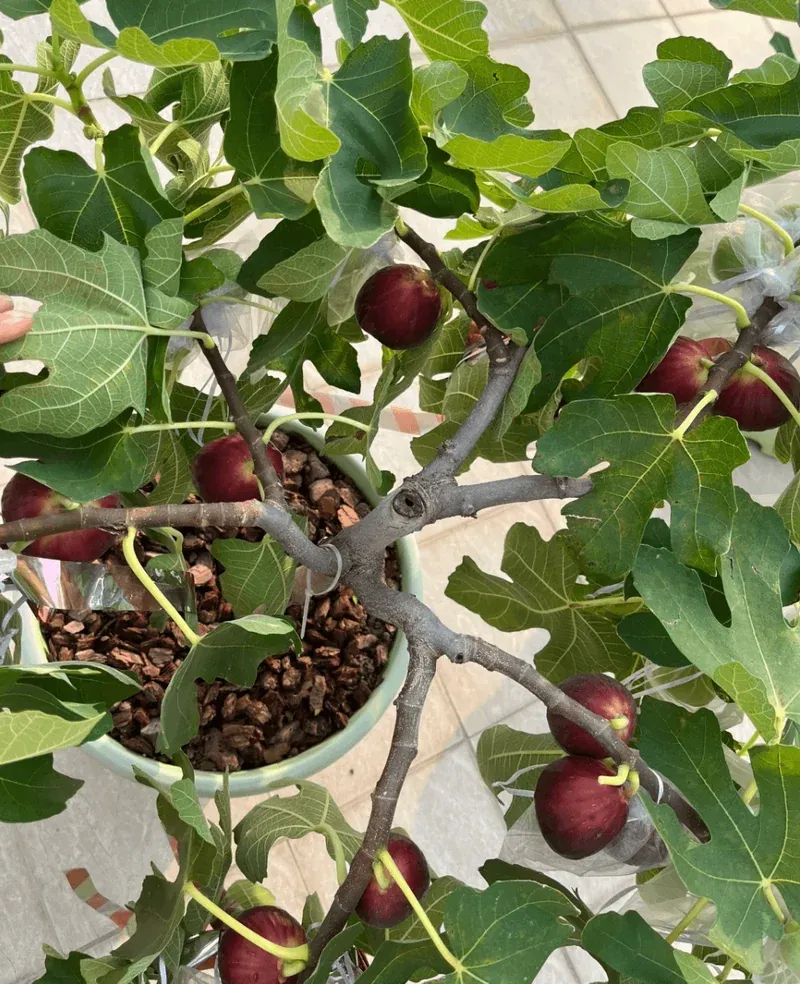
🌳 Figs (The Resilient Urban Grower)
Figs are hardy and adapt well to confined spaces, often benefiting from slight root restriction.
- Pruning Tips: Trim to desired shapes; if height becomes an issue, cut the top back.
- Warmth for Fruit: Figs perform best with plenty of heat. Position the pot against a sunlit wall to maximize warmth.
3. Best Practices for Container Fruit Trees
- Gradual Potting Up: Avoid placing small trees in overly large pots. Gradually increase pot size every couple of years to prevent stale soil.
- Potting Mix Formula: Combine 70% quality potting soil with 30% perlite or pumice for superior drainage.
- Assisting Pollination: Even self-fertile trees can benefit from gentle branch shaking during bloom to facilitate pollen distribution.
4. Frequently Asked Questions
Q: When will my tree start bearing fruit? A: With a “2-year-old” grafted tree from a nursery, expect fruit within one to two seasons. Seed-grown trees can take 7–10 years and aren’t recommended for pots.
Q: What causes yellowing citrus leaves? A: This often indicates an Iron or Magnesium deficiency. Apply a chelated iron supplement to restore leaf color.
Q: Is pruning necessary for dwarf trees? A: Definitely. Pruning in late winter removes “dead, damaged, or unhealthy” branches, focusing the tree’s energy on fruit rather than height.