Key Insights
- Vintage Charm: Transform old wine barrels or ceramic pots into stylish, functional rainwater storage options.
- Eco-Friendly Design: Establish a Rain Garden using plants that thrive in moisture (such as Canna and Iris) combined with gravel layers to naturally manage water runoff.
- Upcycled Creativity: Utilize stacked plastic containers or painted tires to create cost-effective, vertical water storage in compact areas.
- Modern Technology: Use solar-powered purification to ensure rainwater is safe for your vegetable garden or pets.
Introduction: The Importance of Rainwater Collection
Rainwater offers an eco-conscious and cost-effective way to nourish your garden. Unlike tap water, it is free from chlorine and fluoride, and it’s freely available. By adopting a rainwater collection system, you not only save on utility bills but also contribute to environmental sustainability. Here are five innovative methods to capture and utilize rainwater for your gardening needs.
1. Modern Take on Classic Containers
| Method | Ideal For | Essential Components |
|---|---|---|
| Traditional Wine Barrels | Farmhouse or Rustic Gardens | Mesh screen, brass spigot, overflow valve |
| Ceramic Pots | Zen or Asian-inspired Gardens | Shaded lid, fine mesh filter |
| Plastic Buckets | Urban Balconies, DIY Projects | PVC connection, decorative paint |
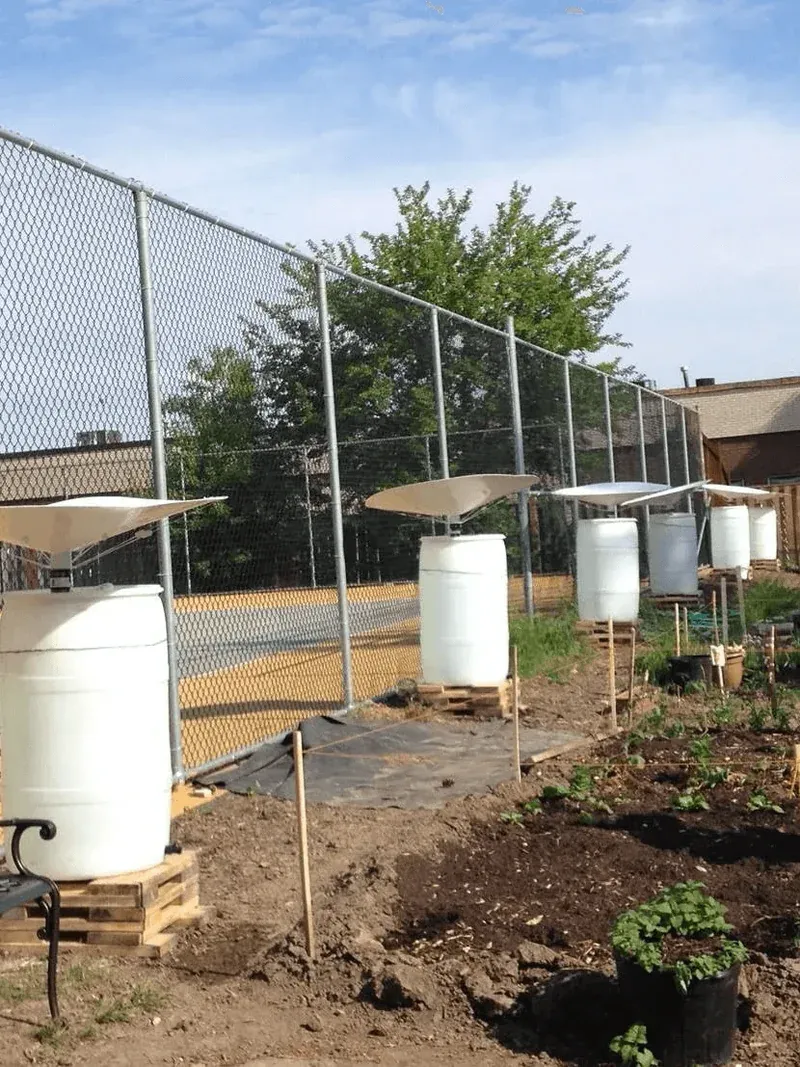
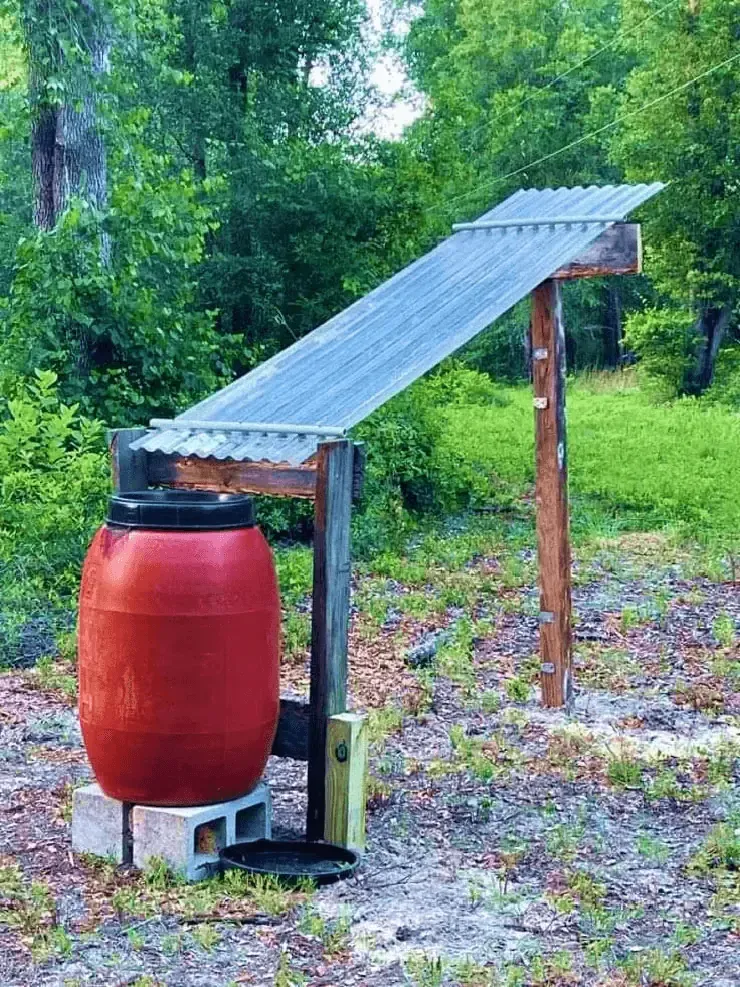
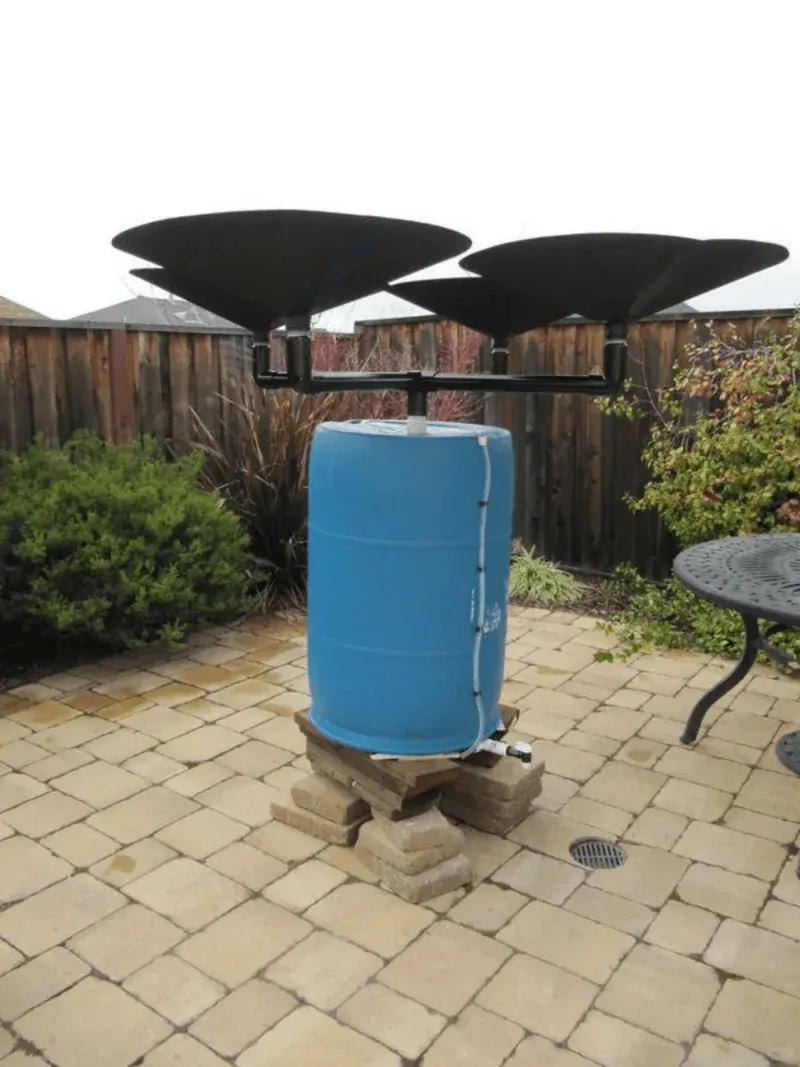
- Wine Barrel Technique: Position the barrel under a gutter outlet. Use a mesh cover to block debris and insects. Add a spigot at the base for easy hose connection.
- Ceramic Style: Enhance your garden’s aesthetic with traditional jars. Keep them in shaded areas to minimize algae growth.
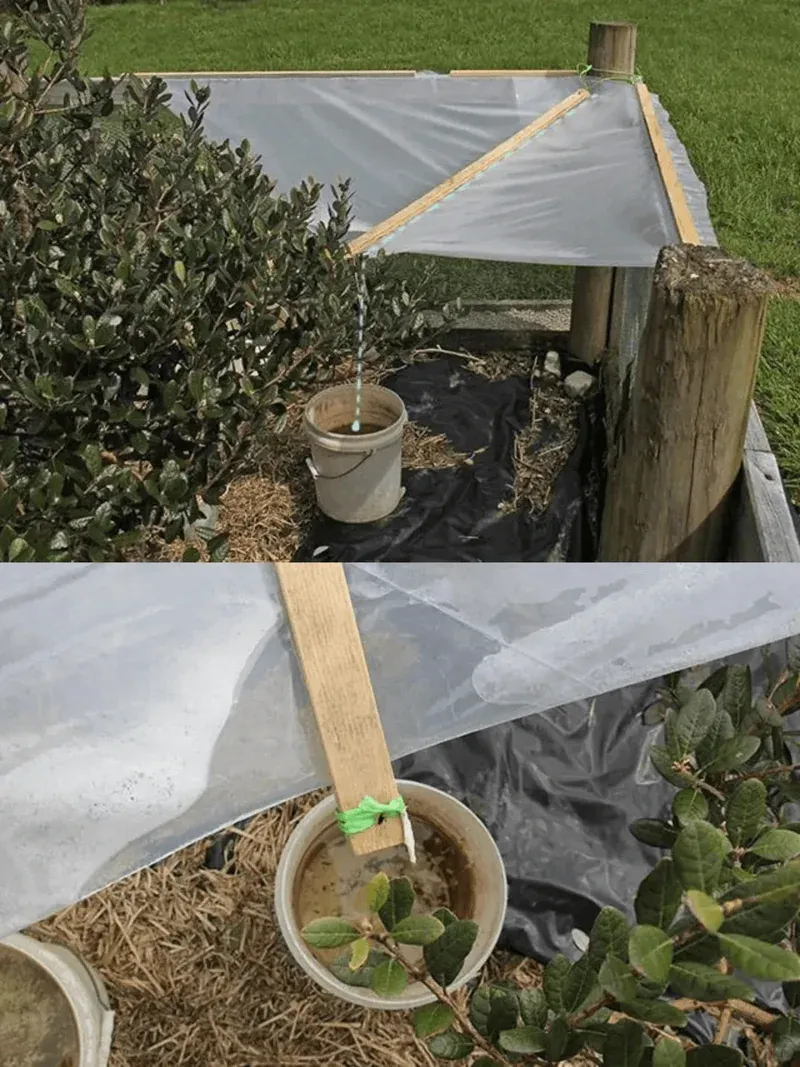
2. Rain Gardens: A Natural Filtration System
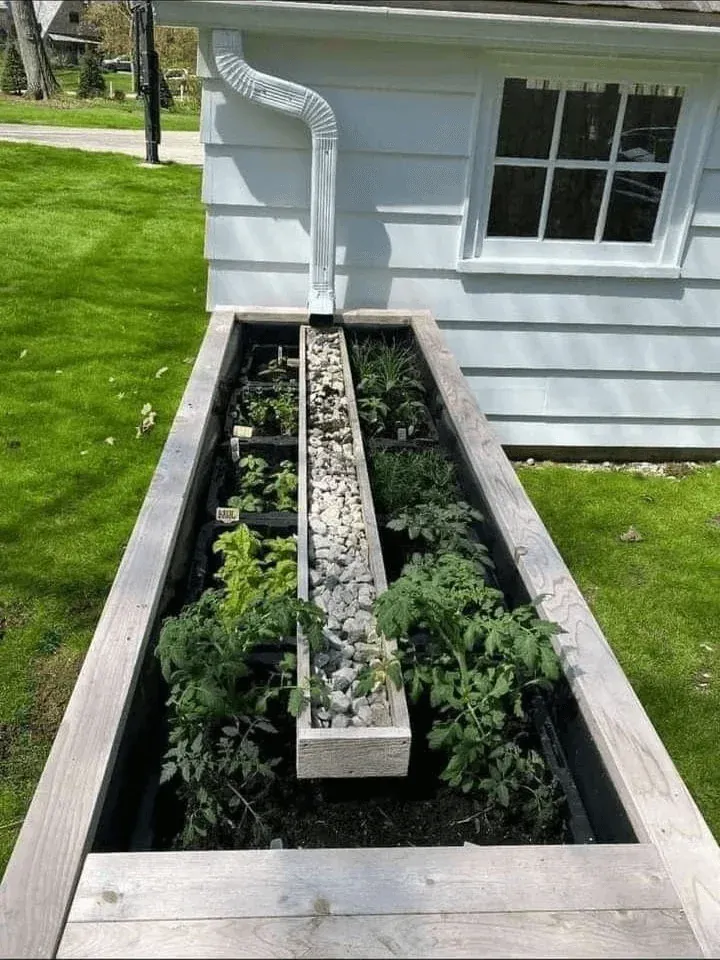
A Rain Garden is a strategically designed depression that absorbs and filters stormwater from rooftops or driveways.
- Functionality: Dig a slight depression and fill it with layers of gravel and sand for effective filtration.
- Flora Selection: Opt for plants that thrive in both wet and dry conditions, like Canna Lilies and Sweet Flag (Acorus).
- Advantages: This method helps recharge the groundwater supply and cleans pollutants before they enter the broader ecosystem.
3. Creative DIY Upcycling: Tires and PVC Towers
The Artistic Tire Reservoir
Repurpose old tires by painting them with weather-resistant outdoor paint. Stack them and line with a durable pond liner, then connect to a larger storage tank with a pipe. This adds an artistic flair while being practical.
The Space-Saving PVC Rain Tower
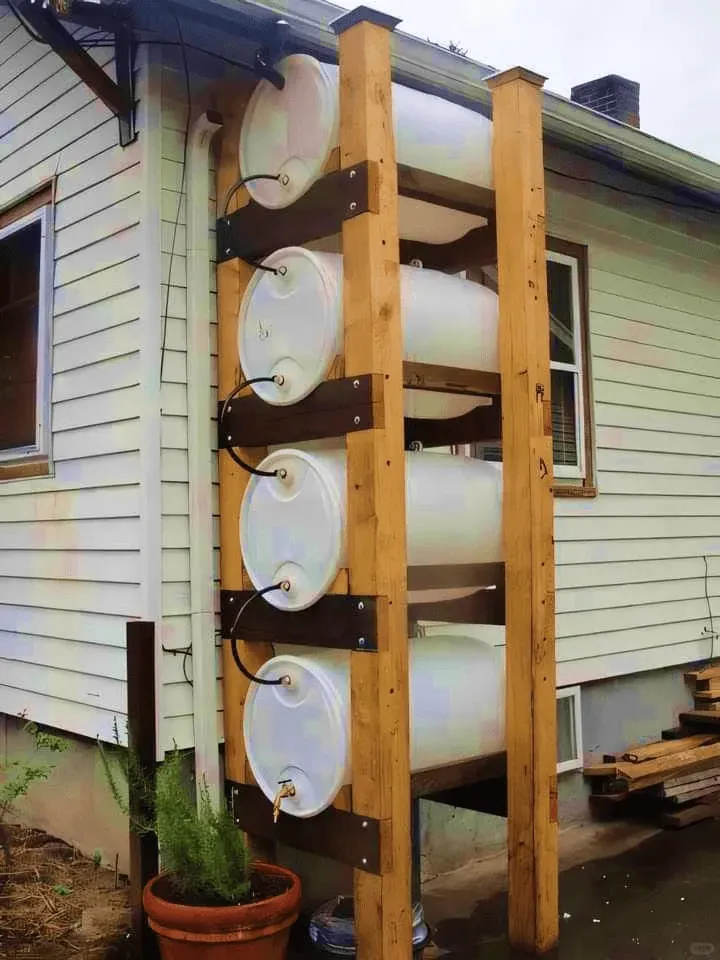
Build a vertical tower with large PVC pipes, drilling holes for water flow. As rain descends, it aerates and filters into a collection bin, making it ideal for limited spaces.
4. Solar-Powered Water Purification
For tech enthusiasts, solar-powered purification offers an advanced solution.
- Installation: Utilize a solar panel to energize a pump, which circulates water through a multi-layer filter system.
- Outcome: This method yields purified water suitable for vegetable gardens and pets, showcasing the pinnacle of sustainable gardening technology.
5. Essential Tips for Rainwater Storage
- Safety Measures: Use lids or fine mesh to prevent accidents and mosquito breeding.
- Routine Cleaning: Clear gutters and filter screens at the start of each season to maintain water quality.
- Winter Preparation: In cold climates, empty your barrels and pipes before the first freeze to avoid damage.
FAQ: Common Questions
Q: Is rainwater suitable for all plants? A: Absolutely! Most plants favor rainwater due to its slightly acidic nature and absence of chemicals commonly found in tap water.
Q: How can I prevent my stored rainwater from developing an odor? A: Odors typically result from anaerobic bacteria. Enhancing aeration and using beneficial EM bacteria can keep the water fresh.
Q: Are permits necessary for rainwater harvesting? A: While generally encouraged, some areas have regulations on storage capacity. Always verify local laws and ordinances.