🌿 Discovering the Science of Hydrangea Color Change
Hydrangeas are not just stunning garden features; they are also intriguing examples of how soil chemistry impacts plant life. Have you ever marveled at a vibrant blue hydrangea only to find it blooming pink the next year? This transformation isn’t due to any mistake on your part; it’s a fascinating interaction between soil pH and aluminum absorption by the plant.
🎨 Understanding the Color Chemistry
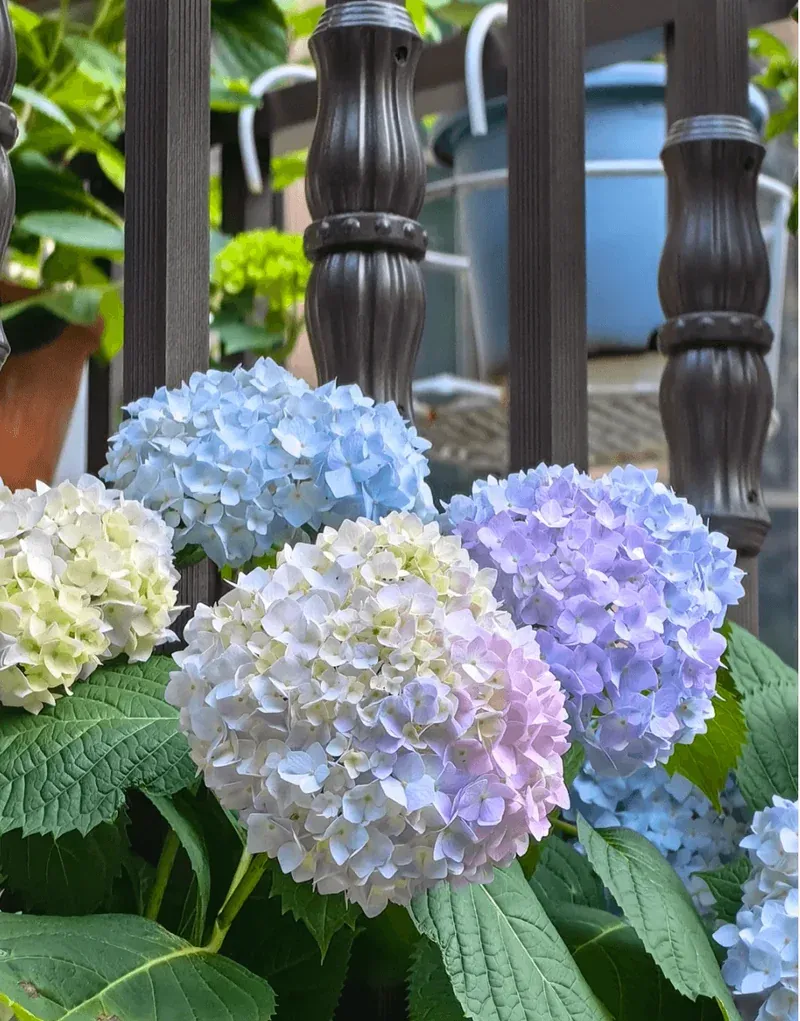
Hydrangeas, particularly the Hydrangea macrophylla and H. serrata species, can change their bloom colors based on soil conditions. The secret lies in the soil’s pH level and the availability of aluminum.
📏 Soil pH and Color Outcomes
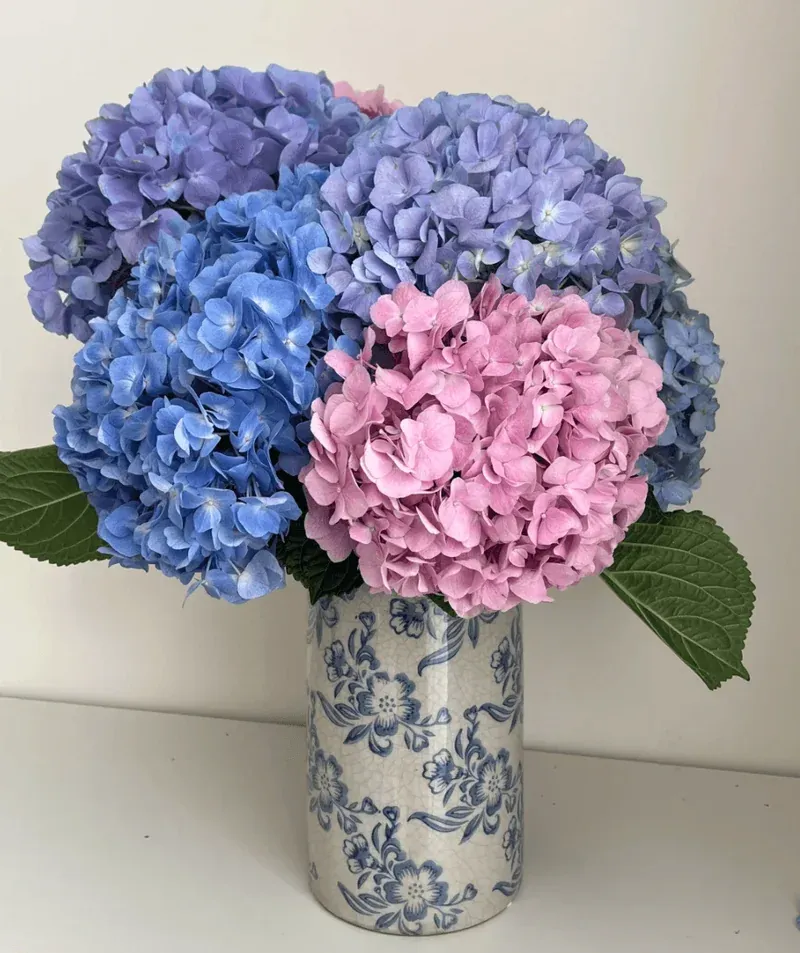
- Blue Blooms: Achieved with acidic soils (pH 5.0 to 5.5). Here, aluminum is soluble and easily absorbed by plants.
- Pink Blooms: These appear in alkaline soils (pH 6.5 to 7.0), where aluminum becomes unavailable.
- Purple/Mauve Blooms: Soil with a pH of 5.8 to 6.2 yields mixed colors, creating a watercolor effect.
If the pH exceeds 7.0, plants might suffer from yellowing leaves due to iron chlorosis, so maintaining an optimal range is crucial.
🌼 Steps to Achieve Blue Hydrangeas
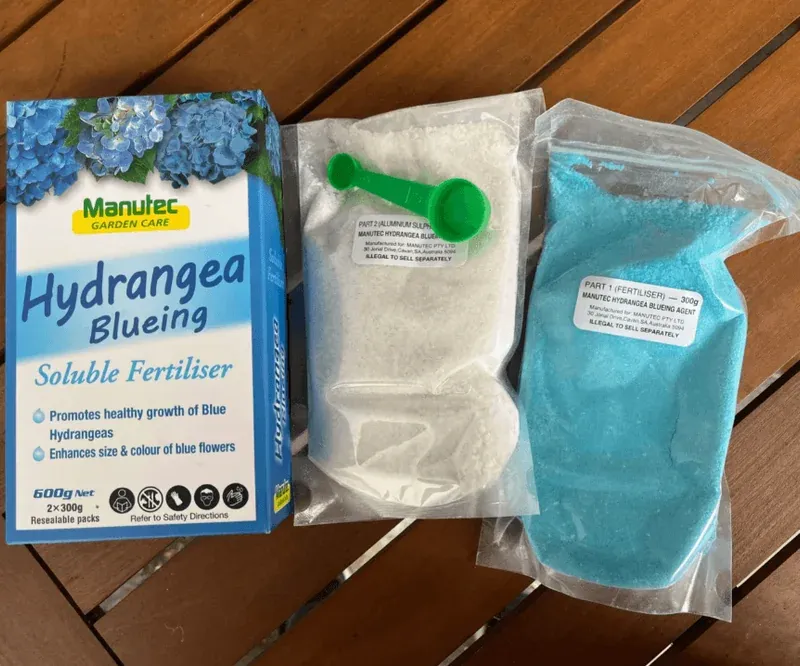
To convert your hydrangeas to blue, you need to lower the soil’s pH and ensure aluminum is accessible.
- Soil Testing: Start with a home pH kit to identify your soil’s current pH.
- Aluminum Addition: Mix 1 tablespoon of aluminum sulfate into a gallon of water and apply it to the soil early in the spring.
- Acidic Mulch: Utilize pine needles, coffee grounds, or peat moss to naturally lower the pH over time.
- Water Considerations: Opt for rainwater instead of hard tap water, which can contribute to a higher pH.
🌸 Steps to Achieve Pink Hydrangeas
For pink blooms, raising the soil pH and inhibiting aluminum uptake is necessary.
- Lime Application: Spread pelletized lime over the soil in spring and fall to raise the pH.
- High-Phosphorus Fertilizer: Use fertilizers with a high middle number (like 10-30-10) to help prevent aluminum absorption.
- Avoid Acidic Materials: Instead of acidic mulches, use neutral options like shredded hardwood or compost.
🌟 Tips for Mastering Hydrangea Colors
- Patience is Key: Altering soil chemistry to change bloom color can take a season or more.
- Container Gardening: Growing hydrangeas in pots allows complete control over soil conditions, making it easier to achieve the desired color.
- Avoid Over-Liming: Too much lime can harm beneficial soil fungi, so adhere to recommended amounts.
❓ Frequently Asked Questions
Q: Can rusty nails or pennies change my hydrangea to blue? A: This myth doesn’t hold water. You need aluminum and acidic conditions to influence color.
Q: My white hydrangeas are turning brown at the season’s end. What can I do? A: White hydrangeas lack the pigment needed for color change. The browning is just the flower’s natural aging.
Q: When should I start altering the soil for color changes? A: Begin in early spring as the plant emerges from dormancy. Changes made after the buds form will not affect that season’s color.