We’ve all experienced it: the excitement of bringing home a dazzling new plant from the garden center, only to watch it struggle and wilt. The plant tag might have read “Full Sun,” and you thought, “My garden gets plenty of light,” but a couple of weeks later, your new botanical pride and joy looks less than vibrant.
Think of sunlight as the lifeblood for your plants. If you provide the wrong amount, growth can falter. Here’s how to accurately gauge the sunshine in your garden to ensure your plants thrive.
🌞 Full Sun: The Sun Worshippers
Plants labeled as needing Full Sun are essentially asking for a prolonged summer getaway. This means they require at least 6 to 8 hours of direct sunlight every day.
-
Atmosphere: Bright and intense, like a day at the beach.
-
Residents Here: Many edible plants like tomatoes, peppers, and basil, alongside floral beauties such as sunflowers and roses.
-
Insight: Evening sun can be harsher than morning sunlight, so if your sunny area only gets light from 4 PM to 7 PM, it might not be suitable for “Full Sun” plants.
⛅ Partial Shade: The Balancers
Navigating the “Partial Shade” or “Partial Sun” zones can be tricky. Typically, these areas receive 3 to 6 hours of sunlight, but the timing can be more critical than the duration.
-
Atmosphere: Gentle rays in the morning or filtered light through foliage.
-
Key: “Partial Shade” often means the plant prefers morning sun and needs to be shielded from harsh afternoon light to prevent wilting.
-
Residents Here: Hydrangeas, Begonias, and leafy greens like spinach do well here.
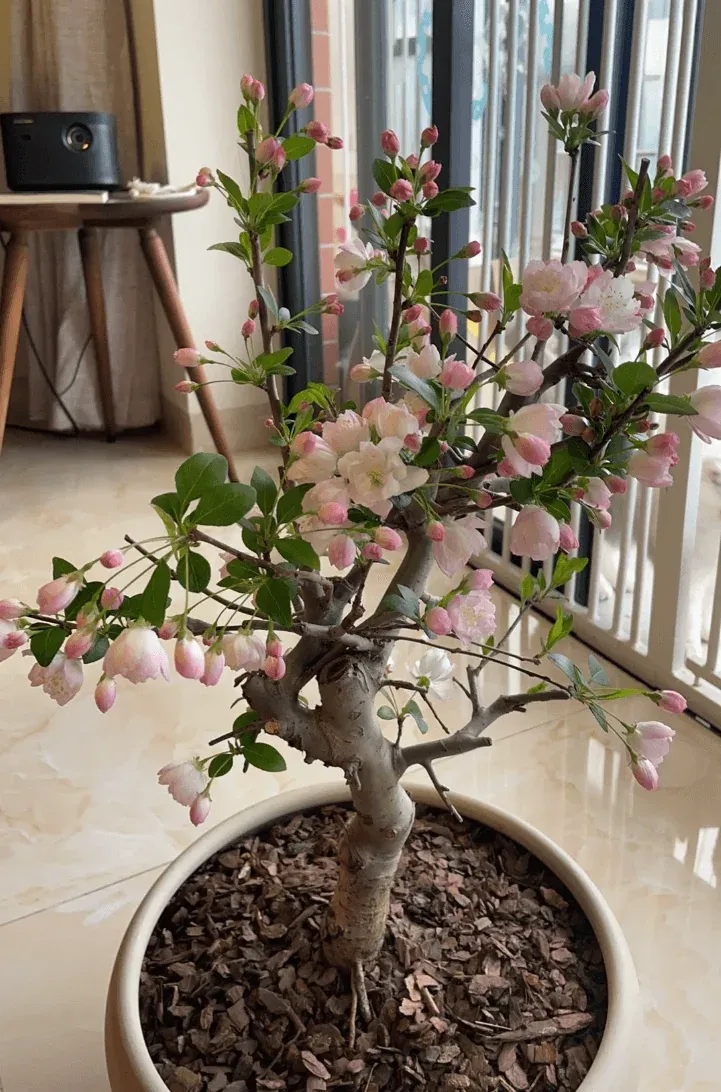
☁️ Low Light: The Cozy Dwellers
It’s crucial to clarify that “Low Light” doesn’t equate to darkness. Plants rely on light for survival, and even those tolerant of low levels need some illumination.
- Atmosphere: “Bright indirect” light is ideal. Picture a room where you can read comfortably without a lamp, but the sunlight never directly hits the plants.
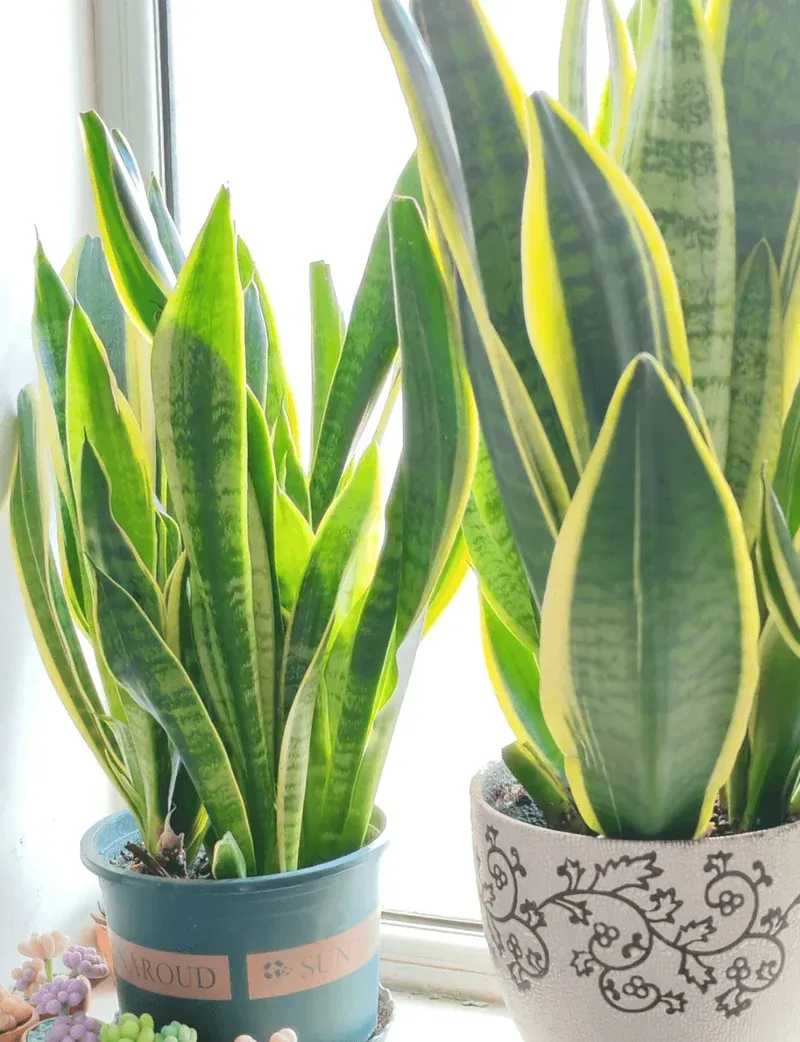
- Residents Here: Resilient species like Snake Plants, ZZ plants, and various ferns thrive in these conditions.
- Red Flag: If your plant begins elongating with thin stems, it’s reaching for more light. Relocate it closer to a window.
🗺️ Creating Your “Sun Map”: Get Your Light Right
Our perception of light can be deceiving, as our eyes adapt to varying brightness levels. To truly understand your garden’s light exposure, try crafting a Sun Map. It’s simpler than it sounds:
- Draw a Diagram: Sketch a layout of your garden or balcony from above.
- Set Timers: Every couple of hours (e.g., 8 AM, 10 AM, 12 PM), step outside to observe.
- Mark the Map: Note which areas are bathed in direct sunlight at each interval.
- Tally the Light: By day’s end, calculate the total sunlight each area receives. This gives you clear, data-driven insights into your garden’s light dynamics.
💡 Handy Tips for Your Next Planting
- Full Sun: Needs 6+ hours of exposure (think sunblock!).
- Partial Sun: Requires 3-6 hours (morning light is best).
- Full Shade: Less than 3 hours (for the chill-loving plants).
Remember: The sun won’t accommodate your plants, so evaluate your garden’s conditions before purchasing. Your plants—and your budget—will benefit from this foresight!